Orland Builders Inc. for Office Buildings
Home Builder Trends: What's Shaping the Future of Home Construction?
The landscape of home construction is evolving rapidly. Key trends are emerging, driven by technological advancements and shifting consumer preferences. Intelligent home systems, eco-friendly materials, and adaptable designs are leading the way. Since homebuyers are placing greater emphasis on energy efficiency and flexibility, builders are compelled to meet these needs. These changes spark critical discussions about the evolution of residential design and what it means for local communities. What will the next generation of homes truly look like?
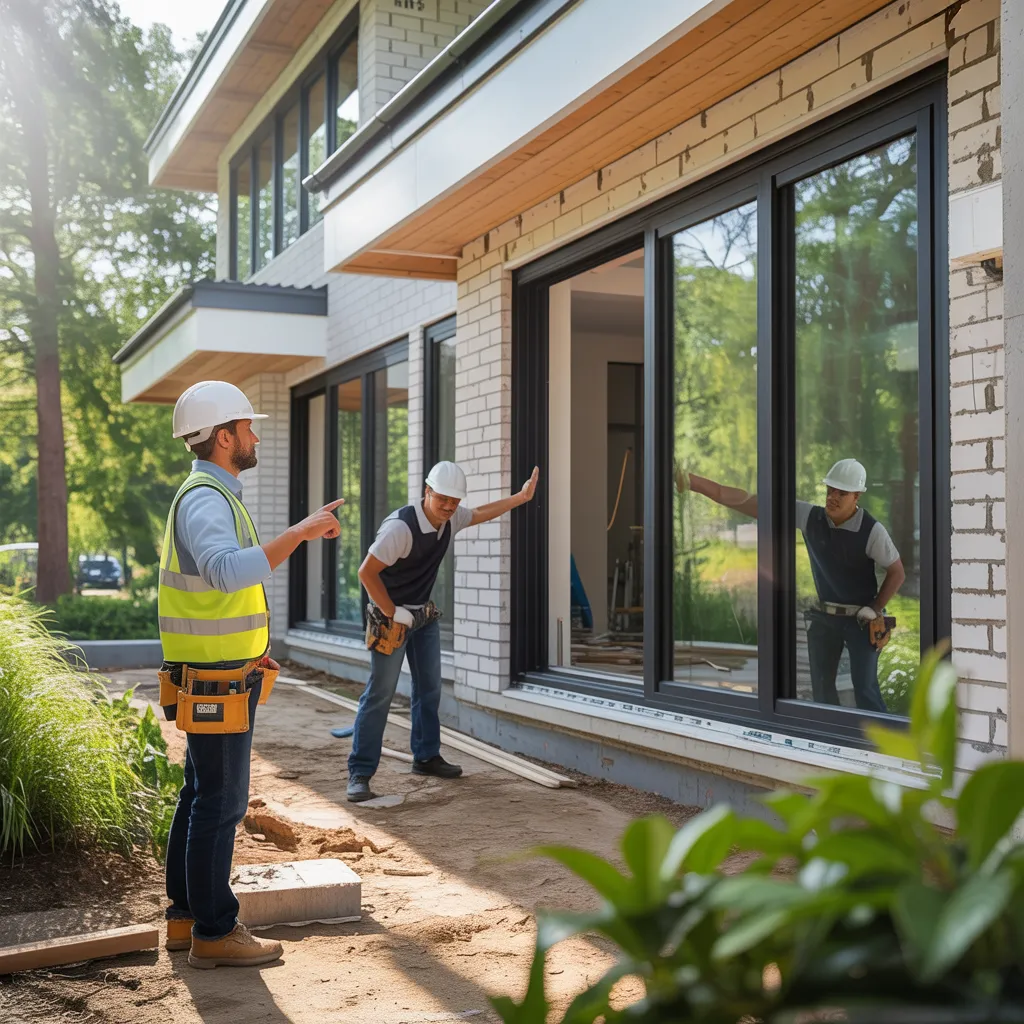
Incorporating Smart Home Innovations in the Construction Industry
In the past few years, a significant transformation has emerged in the construction industry as homebuilders continue to adopt smart home technology. This development highlights a expanding consumer demand for homes fitted with advanced systems that boost convenience, security, and energy efficiency. Technologies including smart thermostats, automated lighting, and integrated security systems are rapidly becoming the norm in new builds, enabling homeowners to manage their homes remotely through mobile apps.
Construction professionals acknowledge that integrating smart technology enhances property value significantly but also attracts technology-oriented homebuyers. The integration of Internet of Things (IoT) devices promotes efficient connectivity across domestic networks, fostering a more integrated lifestyle. Furthermore, builders are partnering with technology firms to ensure that systems remain intuitive and aligned with future innovations. As the market progresses, the embrace of smart home technology is positioned to reshape how people live today, making it a vital element for next-generation residential builds.
Eco-Friendly Building Materials in Home Construction Trends
The rising interest in smart home technology is mirrored by a parallel focus on sustainable building materials in home construction. Building professionals continue to favor eco-friendly options, understanding their impact on reducing environmental impact and enhancing energy efficiency. Materials such as recovered lumber, bamboo, and recycled steel are becoming increasingly sought after, reflecting a transition to resource conservation and sustainability.
In addition, breakthroughs in window efficiency and insulation solutions contribute to decreased energy demands, complementing the objectives of sustainability-focused homeowners. Adopting sustainable materials not only satisfies regulatory requirements but also attracts a demographic that prioritizes ecological responsibility.
As people become more mindful of their ecological footprint, construction professionals are reacting by choosing materials that minimize waste and promote healthier living spaces. This movement represents a growing pledge to environmental responsibility in construction, demonstrating that modern homes can be both technologically advanced and environmentally friendly.
Designing Flexible Floor Plans for Modern Living
As more homeowners look for flexibility in their living spaces, developing flexible layouts has become vital in contemporary building. These adaptable layouts are tailored to various lifestyles and changing family needs, enabling rooms to fulfill several examine guide functions. Open-concept designs are popular, enabling smooth transitions between the living room, dining space, and kitchen, while also enabling homeowners to reconfigure spaces as needed.
Incorporating movable walls or multifunctional furniture significantly boosts adaptability, enabling everything from home offices to guest rooms. The expansion of remote work has also influenced these concepts, encouraging developers to craft dedicated workspaces that can seamlessly convert to recreational zones. Additionally, storage solutions that enhance practicality without diminishing visual appeal are fundamental in these dynamic space arrangements.
Fundamentally, the move toward versatile designs signifies a wider transformation in the ways individuals choose to live, underlining the necessity of homes that remain responsive to changing needs and values.
Energy Efficiency and Green Certifications
The emphasis on energy-efficient home construction has resulted in the wider integration of eco-friendly building materials and intelligent home systems. These practices not only reduce environmental impact but also enhance the total quality of home environments. As buyers develop stronger environmental awareness, sustainability certifications are growing in relevance in the residential real estate market.
Sustainable Building Materials
As the demand for environmentally friendly building practices keeps growing, sustainable building materials have emerged as an essential element in improving energy performance and achieving green building certifications. These resources, including repurposed steel, bamboo, and reclaimed timber, play a role in reducing environmental strain and cutting carbon output. Moreover, improvements in insulation systems and high-performance windows significantly elevate a building's operational effectiveness. A growing number of contractors are pursuing credentials like LEED and BREEAM, that not only confirm their dedication to green practices but also attract eco-minded homeowners. By focusing on green building materials, home constructors can design properties that lessen ecological impact while supporting healthier living conditions. This shift not only meets regulatory standards but also aligns with the values of a growing segment of homebuyers.
Smart Home Technologies
A significant transition embracing smart home technologies is reshaping the world of sustainable practices and energy standards in residential construction. These innovations enable homeowners to oversee and regulate energy consumption through integrated devices, optimizing their usage patterns. Smart thermostats, lighting systems, and appliances contribute to decreased energy inefficiency, considerably lowering utility costs and reducing environmental impact.
In addition, numerous smart home innovations are engineered to adhere to environmental certification criteria, such as LEED and Energy Star ratings. Such adherence not only enhances a home's resale value but also captures the interest of sustainability-minded homebuyers. As construction professionals increasingly embed smart technologies into their construction plans, the demand for eco-friendly housing options continues to rise, building a more eco-conscious future in residential construction.
Multi-Generational Living Areas: Creating Spaces for All
As multi-generational living becomes increasingly popular, home designs are evolving to accommodate diverse family needs. Adaptable floor plans offer the versatility required, while private retreat areas offer personal space for individual family members. Furthermore, shared communal spaces foster connection and collaboration, elevating the quality of life for every generation.
Adaptable Floor Plans
Adaptable floor plans have become growing in importance in modern home design, particularly for accommodating multi-generational living. These versatile floor plans give families versatile spaces that can evolve to meet changing family needs. Through the integration of elements like open-concept areas, movable walls, and multi-functional rooms, homeowners can create environments that foster interaction while allowing for privacy. This versatility embraces a range of living preferences, allowing households to pool assets without sacrificing personal ease. Additionally, the rise in remote work has heightened the demand for dedicated workspaces within these homes. As developers adopt these design philosophies, the emphasis stays on creating residences that honor the varied requirements of households, ensuring that every member has a suitable place to thrive.
Personal Retreat Areas
Developing private retreat areas throughout multigenerational households enables a harmonious balance between shared living and individual seclusion. These carefully allocated zones cater to the varying requirements of those living together, delivering a sanctuary for unwinding or concentrated work. Intentionally crafted, these spaces typically incorporate amenities such as cozy reading nooks, personal offices, or serene outdoor patios, cultivating a sense of personal freedom. Housing developers are progressively integrating acoustic insulation and versatile design configurations to ensure tranquility and ease. By championing these dedicated refuge zones, families can strengthen their bonds while acknowledging each person's desire for solitude. Above all, these architectural choices highlight a increasing recognition of the importance of emotional health in shared family living arrangements.
Shared Community Spaces
The layout of these spaces prioritizes functionality and accessibility, accommodating the varying needs of all generations. Integrating flexible furniture and modern technology can improve accessibility, creating opportunities for all members to take part. With more families adopting this lifestyle, developers are placing greater emphasis on shared communal spaces, recognizing their importance in establishing balanced living settings that nurture relationships while accommodating independence.
The Ways Urbanization Is Shaping Home Design?
In what ways does urbanization shape modern home design? Urbanization promotes a transition toward compact, multifunctional living areas, reflecting the need for efficient use of limited urban land. As urban areas expand, residences are frequently designed to optimize vertical space, including features like elevated spaces and integrated storage options. This movement emphasizes functionality, making certain that every square foot has a defined use.
Moreover, urban environments encourage the incorporation of environmentally responsible materials and efficient energy solutions, as homebuyers consistently demand green living solutions. The heightened awareness of community also shapes home design, leading to the development of hybrid properties that blend residential and commercial spaces. Exterior living spaces, such as patios and elevated garden spaces, are proving indispensable, providing green spaces for metropolitan inhabitants. As a whole, urbanization necessitates creative architectural approaches that address the changing needs of city residents while advancing eco-consciousness and social connectivity.
Aesthetic Movements Defining Modern Home Development
What aesthetic trends are shaping modern home construction today? Today's residential architecture increasingly prioritizes minimalism, merging functionality with clean simplicity. Clean lines, open spaces, and neutral color palettes dominate, promoting a sense of tranquility and spaciousness. Moreover, the use of organic materials, like wood and stone, nurtures a relationship with the natural world, highlighting a rising appreciation for sustainability and eco-conscious living.
Architectural elements like oversized windows and green roofs are also gaining traction, allowing for abundant natural light and enhancing energy efficiency. Moreover, the incorporation of smart home technology aligns with modern design trends, blending visual appeal with state-of-the-art features.
In urban settings, mixed-use developments are becoming popular, blending living spaces with business and leisure zones, building lively and thriving communities. Ultimately, these aesthetic trends not only redefine the visual appeal of homes but also address lifestyle needs, setting the stage for contemporary lifestyles that balance elegance and utility.
Common Questions and Answers
How Are Home Builder Trends Impacting Property Values?
Residential construction trends substantially affect property values by increasing appeal through modern designs, energy efficiency, and smart technologies. As interest in cutting-edge amenities increases, residences that embrace these advancements often benefit from rising property valuations.
How Do Government Regulations Influence Home Construction Trends?
Government regulations significantly impact home construction trends by defining sustainability requirements, safety standards, and zoning laws. These regulations tend to impact material selections, design choices, and ultimately determine the property values and market dynamics in the sector.
How Is the Labor Shortage Affecting Home Building Projects?
The shortage of skilled labor substantially slows home building projects, raising expenses and reducing the pool of skilled tradespeople. This scarcity challenges builders to adapt by implementing innovative construction methods and exploring alternative workforce solutions to meet demand.
What Funding Options Are Available for New Home Construction?
A range of financing solutions for new home construction include conventional loans, FHA loans, VA loans, construction-to-permanent loans, and personal loans. All options deliver specific benefits, serving different buyer preferences and financial backgrounds.
How Do Home Builder Trends Differ Across Regions?
Home builder trends differ significantly by locality, shaped by local economies, climate, and cultural preferences. Metropolitan regions frequently emphasize eco-friendly designs and high-density living, while suburban and rural areas often emphasize larger lots and classic architectural styles.